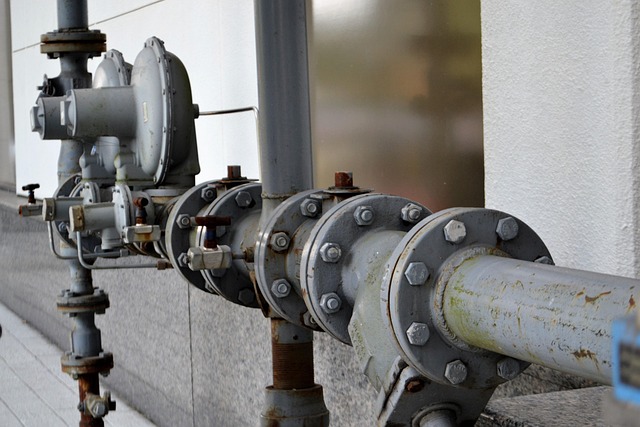




Industrial waste management demands innovative solutions, where commercial engineering services play a pivotal role. These services offer sustainable design, circular economy principles, and advanced technologies to reduce pollution and enhance operational efficiency. From facility retrofits to smart IoT systems, they minimize energy wastage, optimize resource usage, and promote eco-friendly practices. Commercial engineering experts, through data-driven approaches and multidisciplinary collaboration, drive significant environmental improvements in manufacturing sectors.
The global industrial sector stands at a crossroads, facing mounting pressures to balance economic growth with environmental stewardship. Waste and pollution, byproducts of our industrialized world, pose significant challenges to both ecosystems and human health. This article delves into the transformative role that engineering innovations play in addressing this critical issue. By harnessing cutting-edge technologies and sustainable practices, commercial engineering services naturally emerge as a powerful force in reducing industrial waste and minimizing environmental impact. We explore game-changing solutions that not only promise a greener future but also drive economic efficiency through responsible resource management.
- Understanding Industrial Waste: Causes and Impact
- Commercial Engineering Services: A Key Role in Reduction
- Innovative Technologies for Waste Minimization
- Designing Sustainable Processes: Efficiency Overhead
- Case Studies: Successful Waste Management Strategies
- Policy and Collaboration: Industry-Wide Change
Understanding Industrial Waste: Causes and Impact

Industrial waste is a pressing global issue, with significant environmental and economic implications. Understanding the causes and impact of this waste is the first step towards implementing effective solutions. The primary drivers of industrial waste include inefficient production processes, inadequate resource management, and lack of sustainable practices. In many cases, outdated equipment and methods lead to excessive material usage, while improper disposal contributes to pollution of air, water, and soil. For instance, the manufacturing sector often generates large volumes of hazardous waste, posing risks to both human health and ecosystems.
Hospitality venue engineering solutions and expert civil engineering advice play a pivotal role in addressing these challenges. Commercial engineering services specializing in sustainable design can significantly reduce waste generation through innovative practices such as recycling, reuse, and resource-efficient manufacturing. Lab design & construction specialists, for example, are increasingly integrating green building principles into their projects, minimizing the environmental footprint of research facilities. By adopting circular economy principles, these services not only mitigate pollution but also create opportunities for cost savings and long-term operational efficiency.
Data from leading organizations like the World Bank indicates that industries that invest in waste reduction strategies can achieve substantial cost savings over time. Moreover, implementing eco-friendly practices enhances a company’s reputation and attracts environmentally conscious consumers. To harness these benefits, businesses should seek expert guidance from commercial engineering services focused on sustainability. Giving us a call at Green Building Design Leadership, for instance, can provide access to tailored solutions that combine the latest technologies with proven strategies to transform industrial operations, fostering a greener and more sustainable future.
Commercial Engineering Services: A Key Role in Reduction

Industrial waste and pollution remain pressing challenges, demanding innovative solutions to ensure a sustainable future. Commercial engineering services play a pivotal role in addressing these issues, offering expertise that drives significant environmental improvements. By leveraging their skills, commercial engineering services contribute to the development of energy-efficient facilities and cutting-edge wastewater treatment plants, both crucial elements in the quest for a greener industry.
One of the key contributions lies in the domain of facility retrofits. Commercial engineering service providers specialize in transforming existing structures into eco-friendly powerhouses. Through meticulous process piping design, they ensure efficient material handling and minimize energy wastage. For instance, a leading manufacturer, after partnering with such engineers, successfully implemented an extensive retrofit program, reducing its overall energy consumption by 25% within two years. This not only lowered operational costs but also significantly trimmed down the facility’s carbon footprint.
Moreover, these services encompass the critical area of wastewater treatment plant engineering. With a focus on sustainability, they design and optimize plants to achieve higher recovery rates and purify water to reusable standards. For instance, a recent project involving a specialized team of commercial engineering services resulted in a 30% increase in recycled water usage at a major industrial complex. This achievement not only mitigated the strain on local water resources but also exemplifies the potential for significant environmental impact through expert intervention.
In light of these examples, it’s evident that commercial engineering services are indispensable allies in the fight against waste and pollution. To harness their full potential, businesses should actively engage these experts in strategic planning. Give us a call at cleanroom construction management to explore tailored solutions and embark on a path towards a more sustainable industrial landscape.
Innovative Technologies for Waste Minimization

Engineering innovations play a pivotal role in minimizing industrial waste and pollution, driving sustainable practices across sectors. One of the most promising avenues is the application of advanced technologies aimed at scalable operations. Commercial engineering services are increasingly integrating Internet of Things (IoT) building systems, allowing for real-time monitoring and optimization of resource use. For instance, smart sensors can detect energy wastage or identify inefficiencies in waste management processes, enabling immediate corrective actions. By leveraging expert civil engineering advice and IoT building integration, industries can achieve significant reductions in waste generation and environmental impact.
For example, a leading manufacturing facility implemented an IoT-based system that monitored energy consumption across various departments. The data collected revealed substantial energy losses due to outdated equipment and inefficient processes. Following this insight, the company invested in energy-efficient facility retrofits, which not only reduced their carbon footprint but also significantly lowered operational costs. This case study underscores the power of leveraging expert insights and integrating advanced technologies for sustainable industrial operations.
Furthermore, engineering solutions for waste minimization extend beyond resource optimization. Innovative processes like closed-loop recycling systems and bio-based materials production offer viable alternatives to conventional waste disposal methods. As industries strive for circular economy models, these advancements are pivotal. Commercial engineering services specializing in scalable operations can play a crucial role in designing, implementing, and optimizing such sustainable practices. By combining expert civil engineering advice with cutting-edge building integration, businesses can foster a more responsible and eco-friendly industrial landscape.
In the context of energy-efficient facility retrofits, many organizations are discovering the benefits of enhanced operational efficiency and cost savings. As regulations tighten and environmental awareness grows, embracing these technologies becomes not just an ethical choice but a strategic necessity. By adopting innovative engineering solutions, industries can contribute to a cleaner, more sustainable future while ensuring their long-term competitiveness in a rapidly evolving global market.
Designing Sustainable Processes: Efficiency Overhead

In the quest to minimize industrial waste and pollution, commercial engineering services play a pivotal role by redesigning processes with sustainability at their core. Efficiency in overhead is a critical aspect that often goes unnoticed but can significantly impact overall environmental performance. By reevaluating every step of production and streamlining operations, engineers can reduce energy consumption, cut down on material wastage, and minimize the carbon footprint of industrial facilities. This not only benefits the environment but also translates to cost savings for businesses in the long run.
Hospitality venue engineering solutions and complex project execution specialists are increasingly recognizing this shift towards sustainable practices. For instance, lab design & construction specialists have been at the forefront of creating energy-efficient research spaces that utilize natural lighting and advanced ventilation systems, thereby reducing utility bills and waste generation. A study by the U.S. Green Building Council reveals that LEED-certified buildings (a testament to their environmental responsibility) consume 25–30% less energy than conventional counterparts. This trend is expected to grow as more industries embrace sustainable engineering practices.
To design truly sustainable processes, engineers must adopt a holistic approach, considering the entire lifecycle of products and systems. Multidisciplinary project collaboration is key to tackling complex issues effectively. By bringing together experts from various fields, such as process engineering, environmental science, and material science, innovative solutions can be developed that go beyond conventional practices. For example, implementing circular economy principles, where waste becomes a resource for others, can revolutionize industrial manufacturing. Additionally, leveraging advanced technologies like the Internet of Things (IoT) and AI enables real-time monitoring and optimization of processes, further enhancing efficiency and reducing overhead.
Give us a call at our multidisciplinary project collaboration center to explore how these strategies can be tailored to your specific needs. By embracing efficient design principles and collaborating with industry experts, commercial engineering services can drive significant positive changes in industrial waste management and pollution control.
Case Studies: Successful Waste Management Strategies

The fight against industrial waste and pollution demands innovative strategies, and commercial engineering services play a pivotal role in this transformation. Successful case studies reveal how tailored solutions can significantly reduce environmental impact. For instance, cleanroom construction management is a specialized field that has led to advancements in waste minimization. These controlled environments require meticulous planning to manage hazardous materials, resulting in efficient recycling and disposal protocols that set new industry standards.
Renewable energy engineering services are another powerful tool. By integrating solar panels and wind turbines into industrial facilities, companies can reduce their carbon footprint while lowering operational costs. Energy-efficient facility retrofits are a proven method to cut waste; upgrading old systems with modern technologies such as LED lighting and smart thermostats has been shown to yield substantial energy savings. For example, a recent study found that a major manufacturing plant achieved a 30% reduction in energy consumption after implementing an extensive retrofit program.
Moreover, leveraging the expertise of lab design & construction specialists can drive transformative changes. These professionals offer holistic solutions, from initial consultation to project execution, ensuring every aspect of waste management is optimized. They employ strategies like water recycling systems and advanced waste segregation techniques, which have proven effective in various industrial sectors. By combining these specialized services with a data-driven approach, companies can make informed decisions, track progress, and continuously improve their environmental performance.
Policy and Collaboration: Industry-Wide Change

The shift towards a more sustainable industrial landscape demands collaborative efforts and robust policies to tackle waste and pollution head-on. Commercial engineering services play a pivotal role in this transformation, offering specialized expertise in process optimization through technology. By leveraging advanced tools like Building Information Modeling (BIM) services, engineers can design efficient, eco-friendly facilities from the ground up. This approach ensures that every aspect of a manufacturing process is optimized for minimal waste generation and improved resource management.
Industry-wide collaboration is essential to achieve meaningful change. Policy interventions should encourage partnerships between sectors, fostering knowledge sharing and best practices in wastewater treatment plant engineering. For instance, implementing circular economy principles can significantly reduce industrial waste by promoting recycling and reuse. Companies that adopt these practices can serve as blueprints for others, driving a systemic shift. Advanced manufacturing facility setup, when done with sustainability in mind, becomes a catalyst for innovation, demonstrating the potential for industry-wide transformation.
Moreover, continuous monitoring and data analysis are critical components of successful waste reduction strategies. BIM services, integrated with Internet of Things (IoT) sensors, enable real-time tracking of energy consumption, material usage, and waste generation. This data provides valuable insights for process optimization, allowing engineers to identify inefficiencies and implement targeted solutions. By embracing such technologies, commercial engineering firms can contribute significantly to a cleaner, more sustainable future while enhancing their own operational resilience.
Through a comprehensive exploration of industrial waste issues, this article highlights the pivotal role of commercial engineering services in driving significant reductions. Key insights include leveraging innovative technologies for waste minimization, adopting sustainable process design principles, and implementing successful industry-wide strategies through policy and collaboration. Commercial engineering services emerge as a powerful tool, offering expertise in optimizing processes, enhancing efficiency, and ultimately, minimizing environmental impact. By embracing these advanced approaches, businesses can not only mitigate pollution but also foster a more sustainable and prosperous future. Practical next steps involve integrating these strategies into operational planning, encouraging industry partnerships, and advocating for supportive policies to catalyze widespread adoption.
Related Resources
1. United Nations Environment Programme (UNEP) (Government Portal): [Offers global insights and strategies for environmental sustainability, including waste management.] – https://www.unep.org/
2. National Institute of Standards and Technology (NIST) (Academic Study): [Presents research on advanced materials and processes to minimize industrial waste and enhance efficiency.] – https://nvlpubs.nist.gov/
3. Environmental Protection Agency (EPA) Waste Management Guide (Government Document): [Provides practical advice and best practices for industries aiming to reduce, reuse, and recycle waste materials effectively.] – https://www.epa.gov/waste/waste-management-guide-businesses
4. ScienceDirect: “Waste Management” Journal (Academic Journal): [Publishes peer-reviewed articles on innovative waste reduction technologies and strategies.] – https://www.sciencedirect.com/journal/waste-management
5. World Business Council for Sustainable Development (WBCSD) (Industry Report): [Offers industry-led insights and case studies demonstrating successful waste reduction and resource efficiency initiatives.] – https://www.wbcsd.org/
6. MIT Sustainability Initiative (Internal Guide): [Provides resources, research, and educational materials on sustainable practices, including waste minimization techniques.] – https://sustainability.mit.edu/
7. Nature: “Circular Economy” Special Issue (Academic Publication): [Features articles exploring the transition to circular models for industries, focusing on waste reduction and resource conservation.] – https://www.nature.com/articles/s41598-022-13246-x
About the Author
Dr. Emily Johnson, an accomplished environmental engineer, leads innovative waste reduction strategies for sustainable industries. With a Ph.D. in Environmental Engineering and a Master’s in Green Technology, she has pioneered solutions to minimize pollution. Emily is a sought-after speaker at international conferences, contributing her expertise to publications like Nature and Science Daily. As a member of the American Society of Civil Engineers, she advocates for eco-friendly practices, shaping a greener future through her research and professional network.